West Coast Wild
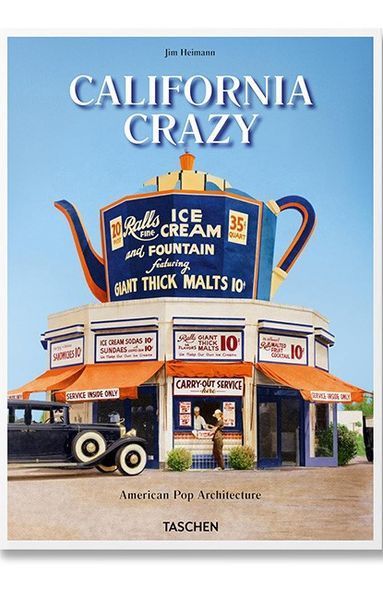
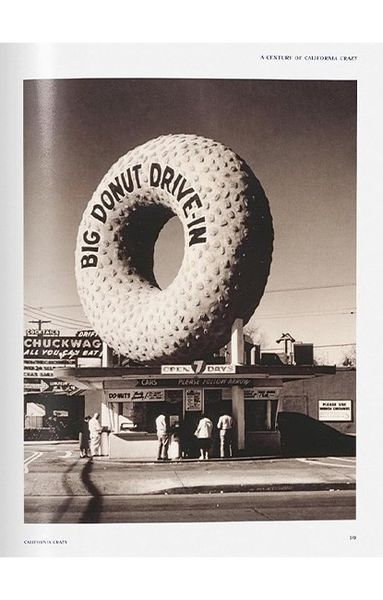
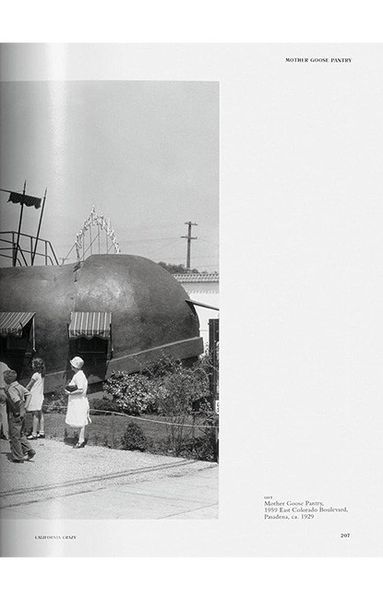
California’s architectural anomalies At the dawn of the automobile age, Americans’ predilection for wanderlust prompted a new wave of inventive entrepreneurs to cater to this new mode of transportation. Starting in the 1920s, attention-grabbing buildings began to appear that would draw in passing drivers for snacks, provisions, souvenirs, or a quick meal. The architectural establishment of the day dismissed these roadside buildings as “monstrosities”.
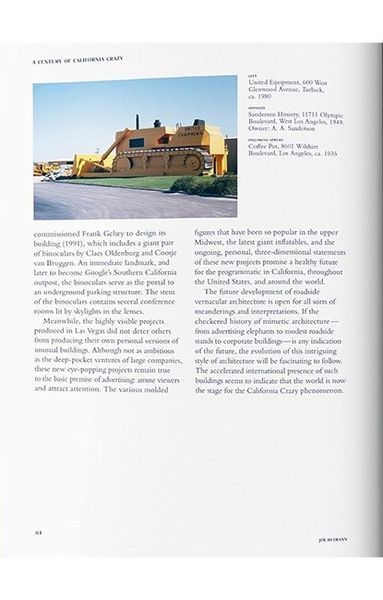
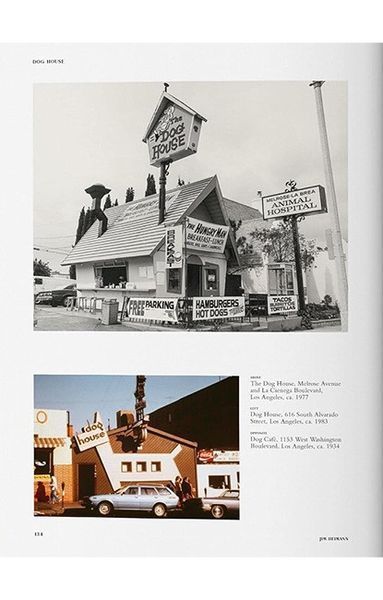
Yet, they flourished, especially along America’s Sunbelt, and in particular, in Southern California, as proprietors indulged their creative impulses in the form of giant, eccentric constructions — from owls, dolls, pigs, and ships, to coffee pots and fruit. Their symbolic intent was guileless, yet they were marginalized by history. But, over the past 40 years, California’s architectural anomalies have regained their integrity, and are now being celebrated in this freshly revised compendium of buildings, California Crazy.
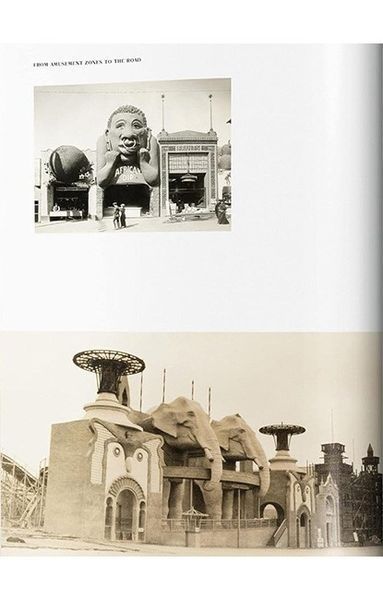
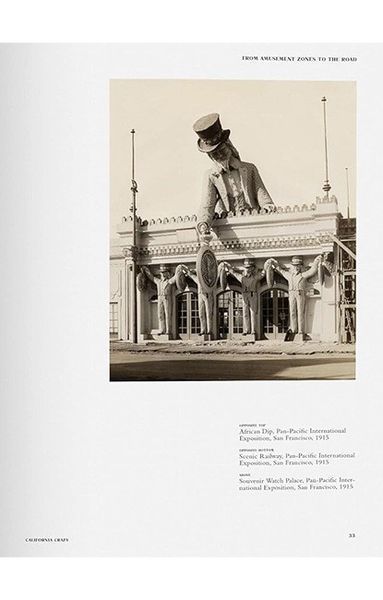
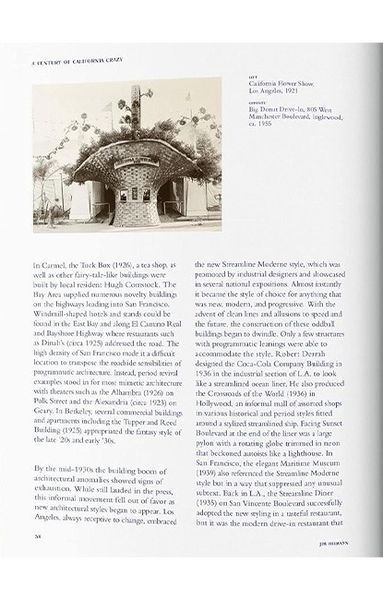
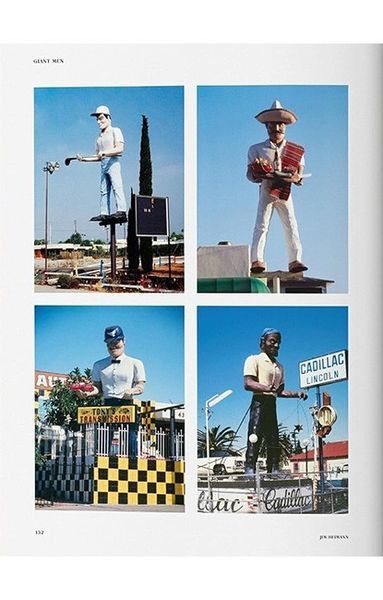
Brimming with the best examples of this architectural genre, California Crazy includes essays exploring the influences that fostered the nascent architectural movement, as well as identifying the unconventional landscapes and attitudes found on Los Angeles and Hollywood roadsides which allowed these buildings to flourish in profusion.
In addition, California Crazy features David Gebhard’s definitive essay, which defined this vernacular movement almost forty years ago. The California Crazy concept is expanded to include domestic architecture, eccentric signage, and the automobile as a fanciful object. Дикое Западное побережьеАрхитектурные аномалии КалифорнииНа заре автомобильной эры любовь американцев к путешествиям побудила новую волну изобретательных предпринимателей удовлетворить потребности этого нового вида транспорта. Начиная с 1920-х годов, стали появляться привлекающие внимание здания, которые привлекали проезжающих мимо водителей для покупки закусок, провизии, сувениров или быстрого перекуса. Архитектурное сообщество того времени отвергало эти придорожные здания как «уродства».Тем не менее, они процветали, особенно вдоль американского Санбелта, и в частности, в Южной Калифорнии, где владельцы давали волю своим творческим порывам в виде гигантских, эксцентричных конструкций — от сов, кукол, свиней и кораблей до кофейников и фруктов. Их символический замысел был искренним, но история отвергла их. Но за последние 40 лет архитектурные аномалии Калифорнии восстановили свою целостность и теперь прославляются в этом недавно переработанном сборнике зданий «California Crazy».«California Crazy», наполненный лучшими примерами этого архитектурного жанра, включает в себя эссе, исследующие влияния, которые способствовали зарождению архитектурного движения, а также определяющие нетрадиционные ландшафты и отношения, встречающиеся на обочинах дорог Лос-Анджелеса и Голливуда, которые позволили этим зданиям процветать в изобилии.Кроме того, в «California Crazy» представлено эссе Дэвида Гебхарда, которое почти сорок лет назад определило это народное движение. Концепция «California Crazy» расширена и теперь включает в себя жилую архитектуру, эксцентричные вывески и автомобиль как объект фантазии.